 4.7 Google Rating
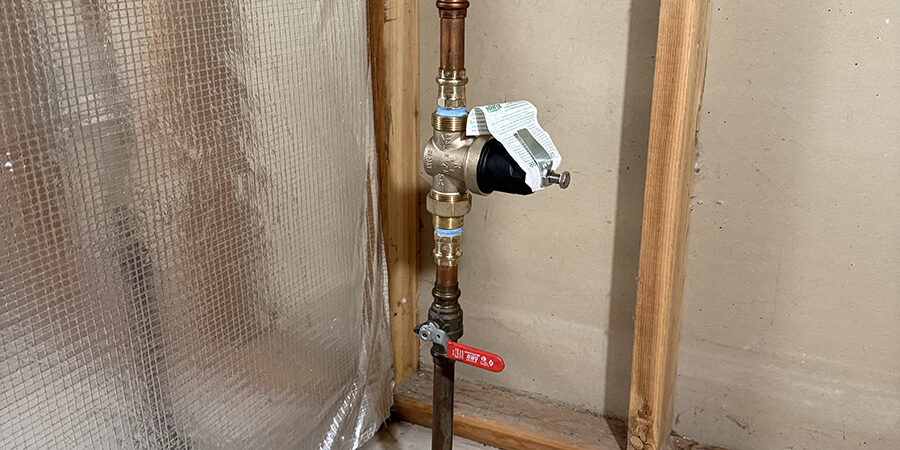
Strong water pressure may seem like a benefit, but when incoming pressure is too high, every valve, fitting, fixture, and appliance in the home has to work against that extra force.
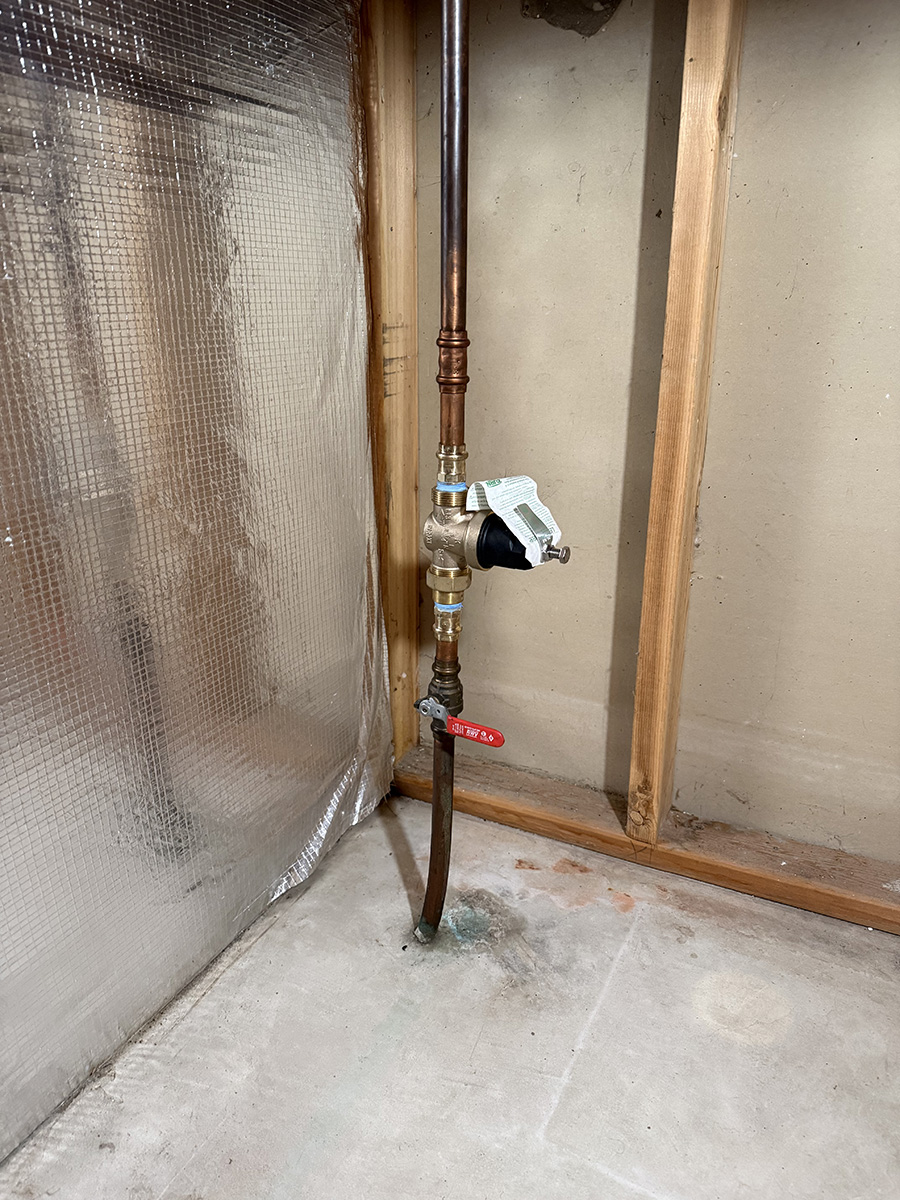
At this Spokane home, we installed a pressure reducing valve, commonly called a PRV, directly on the main water line to bring the incoming pressure under control before it reached the rest of the plumbing system.
One valve protects a lot of plumbing
A PRV works at the source. Instead of addressing individual fixtures after excessive pressure causes problems, the valve regulates the water entering the home.
That helps protect components throughout the plumbing system, including:
- Faucet cartridges and shower valves
- Toilet fill valves
- Appliance supply lines
- Pipe fittings and shutoff valves
- Water heater components
What can happen when pressure stays too high?
Excessive pressure creates constant stress. It may not cause a dramatic failure immediately, but over time it can contribute to dripping fixtures, premature valve failure, leaking supply lines, noisy plumbing, and recurring repair problems.
If several seemingly unrelated plumbing components keep failing, checking the home’s water pressure can sometimes reveal the common cause.
Correcting the pressure at the water main
For this installation, the PRV was added to the main supply so water pressure could be reduced before being distributed throughout the house. Once properly installed and adjusted, the valve provides a much more controlled operating environment for the plumbing system.
This differs from fixing an individual leak or replacing a damaged fitting. The goal is preventative, reducing the stress that can contribute to future pipe and plumbing repairs.
When should water pressure be checked?
Very aggressive flow from faucets and showers can be an obvious clue, but other signs can be less noticeable. Banging pipes, recurring supply line failures, leaking valves, and frequent fixture problems may all justify checking the incoming pressure.
A pressure test can determine what the system is actually receiving and whether a PRV is appropriate. If you are experiencing unusually high water pressure or repeated plumbing problems, call (509) 899-8883.
You can also request plumbing service online if you would like the pressure in your home evaluated.