 4.7 Google Rating

A slab leak is a leak in a water line that runs under your home’s concrete foundation, and the sooner it’s found, the smaller the repair. Because the pipe is buried in or under the slab, the leak can run for weeks before you see any water. By then it may have soaked the soil under your house, damaged flooring, and run up your water bill.
We recently fixed one in a Post Falls home. Instead of tearing up the whole floor, we pinpointed the leak, opened a single small section of concrete right over it, repaired the line, and patched the floor. Here’s what homeowners should know about how slab leaks happen, how to spot one, and what the repair actually looks like.
Warning signs of a slab leak
Most slab leaks give off clues long before water shows up on the floor. Call a plumber if you notice any of these:
- A water bill that jumps with no change in how much water you use.
- The sound of running water when every faucet, toilet, and appliance is off.
- A warm or hot spot on the floor, often a sign the hot water line is leaking.
- Damp carpet, warped wood, or loose tile in one area, or a musty, mildew smell.
- New cracks in the floor or walls as wet soil shifts under the slab.
- Lower water pressure than usual at your faucets and shower.
- A water heater that runs constantly because hot water keeps escaping.
What causes slab leaks
Most slab leaks come from pipes wearing out where nobody can see them. The most common causes:
- Abrasion. Water lines expand and contract as hot and cold water run through them. Over years, a pipe rubbing against concrete or gravel can wear a hole through itself.
- Corrosion. Older copper lines can thin out from the inside or outside, depending on water chemistry and the soil around them.
- Shifting soil. Settling, freeze-thaw cycles, and changes in groundwater can put stress on pipes under the slab.
- Installation damage. A pipe that was kinked, dented, or nicked when the foundation was poured can fail decades later.
- High water pressure. Pressure that’s too high puts constant strain on every joint and pipe in the house.
How we find a slab leak without tearing up your floor
Good leak detection means opening the floor in one spot, not ten. A plumber narrows it down in steps:
- Confirm there’s a leak. Shut everything off and watch the water meter, then pressure-test the lines to see whether the hot side, the cold side, or both are losing water.
- Isolate the line. Shutting off sections of the system shows which run of pipe is leaking.
- Pinpoint the spot. Listening equipment picks up the sound of water escaping through the concrete, and a thermal camera can show the warm trail of a leaking hot water line.
- Open only what’s needed. Once the leak is located, we cut out a small section of the slab directly over it.
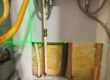
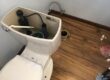
On the Post Falls job pictured here, that meant one small opening in the concrete next to the wall, instead of tearing out the whole room.
Repair options
The right repair depends on the condition of the rest of your pipes. There are two main approaches:
Spot repair
We open the slab over the leak, repair or replace the damaged section of pipe, and patch the concrete. This is the fastest and least disruptive fix when the rest of the line is in good shape.
It’s the repair we made on this job.
Reroute
If the under-slab lines are old and likely to fail again in other spots, it can make more sense to abandon them and run new lines through the walls or ceiling instead. That keeps future leaks out of the foundation entirely.
We’ll walk you through both options and what each costs before any work starts.
The job, step by step
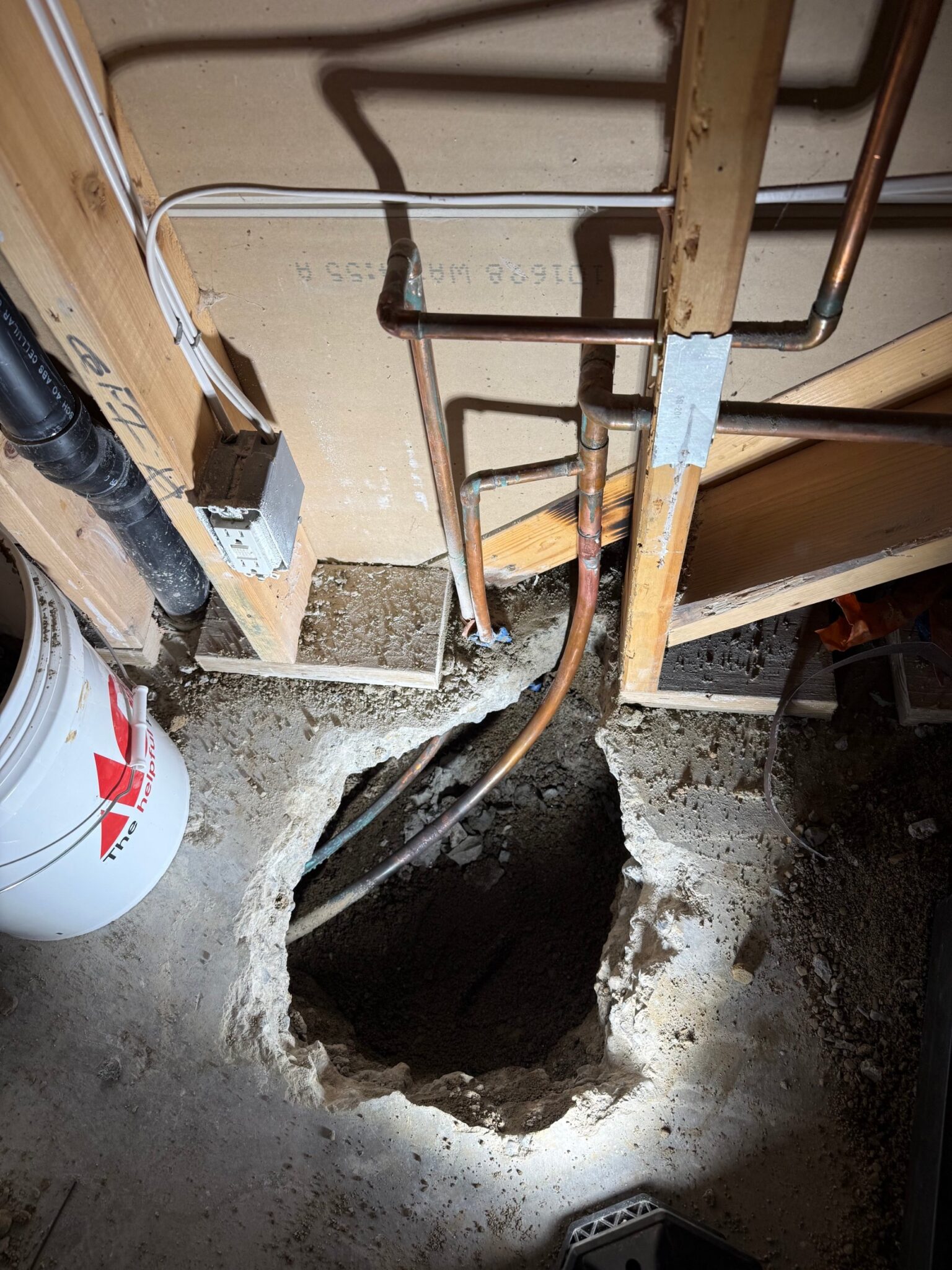
1. Open the slab. We broke out the concrete right where the leak was and exposed the water lines running under the slab.
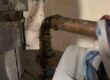
2. Repair the line. The water lines are repaired and tested right in the opening, without disturbing the rest of the floor.
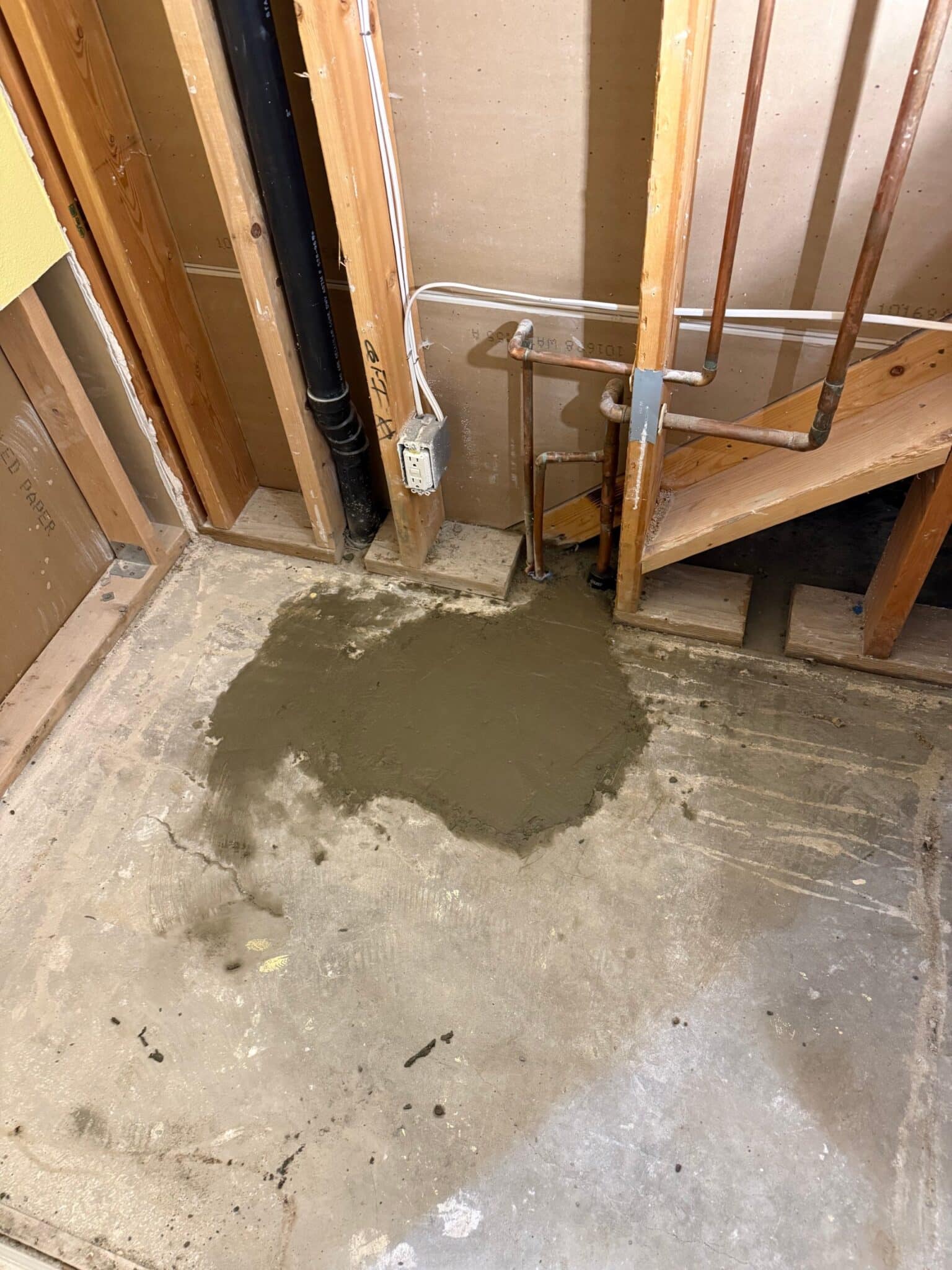
3. Patch the floor. We backfilled the hole and patched the slab with fresh concrete. Once it cures, new flooring goes right over it.
Think you have a slab leak? Do this now
- Do the meter test. Turn off all water use and check whether the meter still moves.
- Shut off the main if water is visible. If water is coming up through the floor, turn off your main water shutoff to stop the damage. (Not sure where yours is? That’s worth finding today.)
- Take photos. Document wet spots, damaged flooring, and your water bills.
- Call a plumber. If water is actively coming up, treat it as an emergency. The longer a slab leak runs, the more it can damage the soil under your foundation and the floors above it.