 4.7 Google Rating
When a sewage ejector pump fails, the signs usually show up before the cause is obvious. Drains slow down, fixtures stop clearing, and water begins to back up where it normally would not.
In this case, the issue came down to a pump that was no longer cycling. With systems like this, everything depends on that single component moving wastewater out of the basin.
What is happening behind the scenes
Ejector systems are built to move waste upward to reach the main sewer line. Unlike standard plumbing that relies on gravity, these systems need a working pump at all times. When it stops, the entire system stalls behind it.
This often affects lower level plumbing first, where drainage depends entirely on the pump doing its job.
Breaking down the replacement
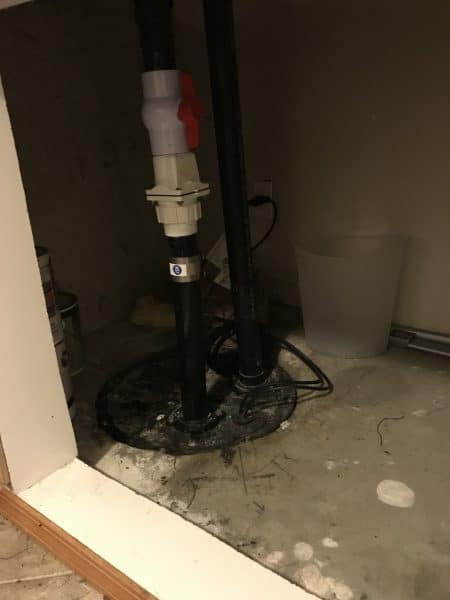
The failed unit was removed and the basin was checked before installing the new pump. Connections were reset and tested to make sure the system would cycle properly under normal use.
It is not just about installing a new pump, it is about making sure the system works as a whole once everything is back in place.
For properties dealing with issues like this, especially in areas like Spokane, early diagnosis can prevent more serious drainage problems.
Why waiting makes it worse
When an ejector pump begins to fail, it rarely improves on its own. What starts as slower drainage can turn into a full backup if the system is left unaddressed.
That is why this type of work often overlaps with larger plumbing system repairs, where restoring flow is the priority.
If your drains are not acting the way they should or something feels off, you can use our online contact form or call (509) 899-8883 to schedule service.