 4.7 Google Rating
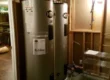
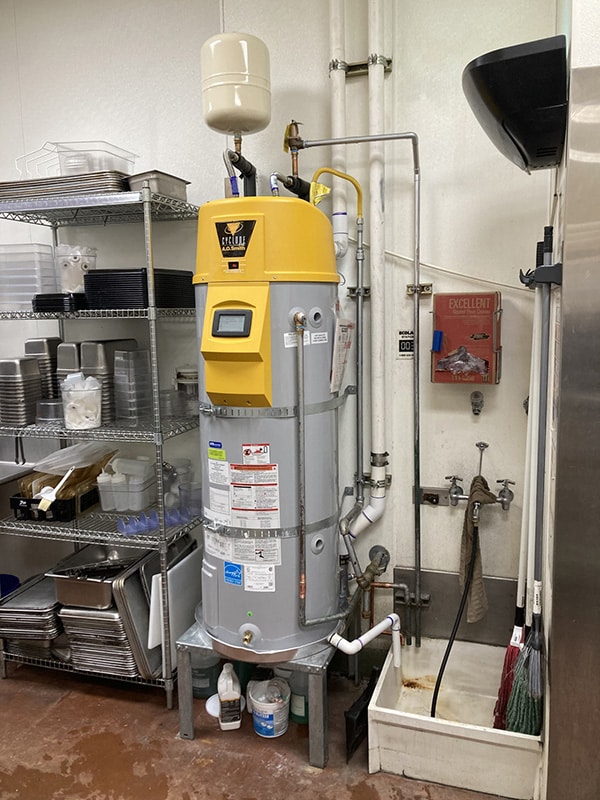
We recently completed the installation of a new commercial water heater at a property in Coeur d’Alene, Idaho. The existing unit had reached the end of its service life and was no longer operating reliably under daily demand.
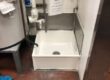
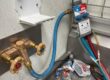
Replacing commercial-grade equipment requires more than simply setting a new unit in place. Proper installation involves verifying venting, pressure relief components, expansion control, and piping configuration to meet current plumbing code requirements.
Upgrading the System to Meet Current Standards
During this installation, we incorporated all necessary code upgrades to ensure safe and dependable operation. As plumbing codes evolve, older systems often lack updated safety features or proper configurations required today.
Bringing the system up to current standards helps protect the building, supports equipment longevity, and reduces the likelihood of unexpected issues.
Why Professional Installation Matters
Commercial water heaters operate under significantly heavier use than residential systems. Improper installation can lead to inefficiency, accelerated wear, and potential safety concerns.
Hiring knowledgeable, licensed plumbing professionals helps ensure that equipment is installed correctly and performs as intended. Attention to detail during setup can make a meaningful difference in long-term reliability.
For more information about plumbing services in the area, visit our Coeur d’Alene service page.
Protecting Long-Term Plumbing Performance
Addressing aging equipment before failure occurs helps minimize disruption and maintain consistent performance. Proactive upgrades can extend system life and reduce the risk of costly downtime.
If a commercial water heater is nearing the end of its lifespan, evaluating replacement options early can help avoid emergency situations and maintain dependable hot water supply.